
Planning to explore Saint Lucia by car? Driving in St Lucia is one of the best ways to discover the island’s beautiful beaches, mountain views, local villages, and hidden attractions. From the famous Pitons in Soufrière to the beaches of Vieux Fort, having your own rental car gives you the freedom to explore at your own pace.
However, driving in Saint Lucia is different from driving in many other countries. The island has narrow roads, steep hills, winding coastal routes, and left-side driving. Understanding these conditions before arriving can make your journey safer and more enjoyable.
Whether you are visiting for the first time or planning a road trip across the island, here are 12 important things to know about driving in St Lucia.
1. Drive on the Left Side of the Road
One of the first things visitors should know about driving in St Lucia is that vehicles drive on the left side of the road.
Saint Lucia follows the British-style driving system, which means:
- Drive on the left side of the road.
- The steering wheel is generally on the right side of the vehicle.
- Roundabouts are approached and navigated clockwise.
- Overtaking is generally done on the right when safe and permitted.
If you are visiting from the United States, Canada, or another country where people drive on the right, take some time to adjust before entering busy roads.
Tip: Start with a short drive in a quiet area before traveling through busy towns or unfamiliar mountain routes.
2. Roads in St Lucia Can Be Narrow and Winding
Saint Lucia is a mountainous Caribbean island, and its road network reflects its landscape.
Many roads feature sharp bends, steep hills, narrow lanes, and limited visibility. Some routes pass through residential areas where pedestrians, cyclists, and local vehicles share the road.
You may also encounter:
- Uneven road surfaces
- Potholes
- Steep inclines
- Sharp corners
- Narrow bridges
- Limited roadside parking
These conditions are especially common when traveling between different parts of the island.
Drive slowly, maintain a safe following distance, and avoid rushing through unfamiliar areas.
3. You Need a Valid Driving Licence
Visitors should carry a valid driving licence from their home country when renting and driving a vehicle in Saint Lucia.
Depending on your nationality and licence, you may also need a temporary local driving permit.
Rental companies can often help arrange the required permit as part of the vehicle rental process. However, requirements may vary depending on your licence and circumstances.
Before booking your vehicle, confirm:
- Whether your existing licence is accepted
- Whether a temporary driving permit is required
- The minimum driver age
- Any additional rental conditions
Keep your driving licence and required permit with you while driving.
4. Understand the Temporary Driving Permit Requirements
International visitors may need a temporary Saint Lucia driving permit to drive legally.
The permit is commonly arranged through a rental company or an authorised local office. Visitors should confirm the current requirements before arrival rather than assuming their foreign licence is sufficient.
When booking a car rental in St Lucia, ask the provider whether the permit is included in the rental process and what documents you need to bring.
This can help prevent unnecessary delays when collecting your vehicle.
5. Choose the Right Rental Car for St Lucia’s Roads
Choosing the right vehicle can make a significant difference to your driving experience.
Saint Lucia has steep hills, winding roads, and different road conditions depending on where you plan to travel.
Here are some popular vehicle options:
- Suzuki Jimny: A practical option for travelers who want a compact vehicle with useful ground clearance for exploring the island.
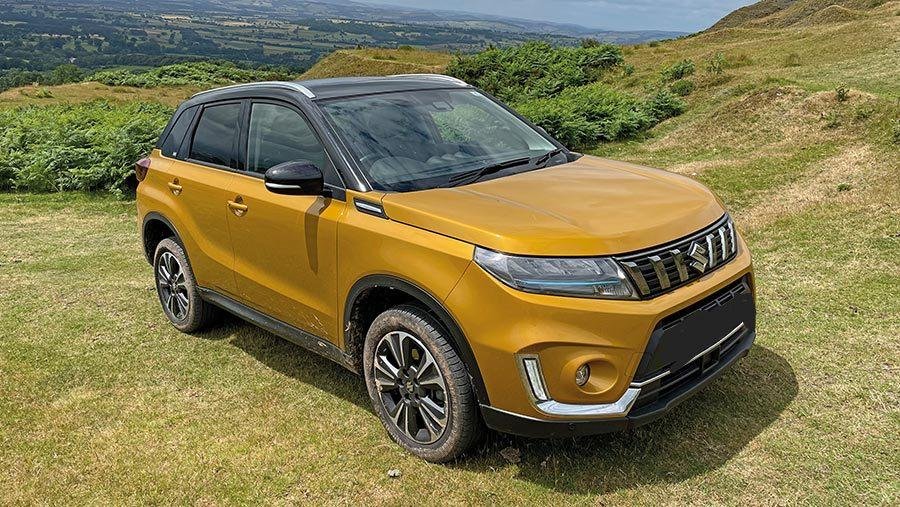
- Suzuki Vitara: A comfortable SUV option for couples, small families, and general island travel.
- Toyota Noah: A spacious vehicle suitable for families, groups, and travelers carrying additional luggage.
Consider your accommodation location, number of passengers, luggage, and planned destinations before choosing a vehicle.
For travelers planning to explore mountainous areas, a suitable vehicle with adequate ground clearance and good condition tyres can be helpful.
6. Be Prepared for Steep Hills and Mountain Roads
Driving through Saint Lucia’s mountainous landscape is part of the island’s charm.
However, steep hills and winding roads require careful driving, especially if you are unfamiliar with the terrain.
When driving uphill:
- Maintain a steady speed.
- Avoid stopping unnecessarily on steep inclines.
- Use an appropriate lower gear when needed.
When driving downhill:
- Reduce your speed before approaching a steep section.
- Avoid relying only on your brakes.
- Use a lower gear when appropriate.
- Maintain enough distance from the vehicle ahead.
If you are uncomfortable driving on steep roads, choose a route that suits your experience and ask your rental company for guidance.
7. Take Extra Care When Driving at Night
Driving in St Lucia at night requires additional attention.
Some roads have limited street lighting, particularly outside major towns. Sharp bends, hills, pedestrians, and animals can make nighttime driving more challenging.
If you are visiting for the first time, consider completing longer journeys during daylight.
Before driving at night:
- Check that your headlights and brake lights are working.
- Reduce your speed on unfamiliar roads.
- Watch for pedestrians and animals.
- Avoid distractions while driving.
- Use extra caution on winding roads.
If you arrive at Hewanorra International Airport (UVF) late in the evening, consider your accommodation location and driving experience before deciding whether to drive immediately.
8. Roundabouts Are Common in Saint Lucia
Roundabouts are an important part of the road network in Saint Lucia.
Drivers should approach them carefully, follow road signs, and give way to traffic already circulating where required.
Remember these basic rules:
- Slow down before entering a roundabout.
- Check for approaching traffic.
- Follow the appropriate lane markings.
- Signal when exiting where appropriate.
- Avoid changing lanes unexpectedly.
If you are unfamiliar with roundabouts, take your time and follow the directions provided by road signs or your navigation app.
9. Watch for Pedestrians, Animals, and Local Traffic
Saint Lucia’s roads are shared by different types of road users.
You may encounter pedestrians walking along the roadside, cyclists, motorbikes, buses, and animals.
In residential areas and villages, people may cross the road unexpectedly.
When driving:
- Reduce your speed near schools and villages.
- Watch for pedestrians on narrow roads.
- Be cautious around parked vehicles.
- Avoid sudden overtaking.
- Give other road users sufficient space.
Respecting local traffic conditions helps make your journey safer for everyone.
10. Rain Can Make Driving More Difficult
Saint Lucia has a tropical climate, and sudden rain showers can affect road conditions.
Heavy rain may reduce visibility, make roads slippery, and increase the risk of water collecting on the road.
During rainy weather:
- Reduce your speed.
- Increase your following distance.
- Use headlights when visibility is reduced.
- Avoid sudden braking.
- Never drive through flooded areas if the depth or road condition is uncertain.
If you are planning a trip during the rainy season, allow extra travel time and check weather conditions before leaving.
11. Plan Your Routes Before Starting Your Journey
Saint Lucia may look small on a map, but traveling between destinations can take longer than expected.
Mountainous terrain, winding roads, and traffic through towns can affect journey times.
For example, visitors staying in Vieux Fort may need to plan carefully when traveling to Soufrière, Rodney Bay, or other popular attractions.
Before leaving your accommodation:
- Check your destination on Google Maps.
- Review the route and estimated journey time.
- Identify fuel stations along the way.
- Check whether your destination has suitable parking.
- Allow additional time for sightseeing and stops.
Important: Do not rely only on the distance between two destinations. Road conditions and the route can significantly affect travel time.
12. Understand Fuel, Parking, and Rental Car Rules
Before starting your journey, make sure you understand your rental agreement.
Ask your rental company about the fuel policy, parking requirements, insurance coverage, and roadside assistance.
Here are some important things to check:
| What to check | Why it matters |
| Fuel policy | Understand whether the vehicle must be returned with a full tank |
| Insurance | Confirm what is covered and any excess or exclusions |
| Parking | Check local signs and restrictions before leaving your vehicle |
| Roadside assistance | Know whom to contact if the vehicle breaks down |
| Vehicle inspection | Check the car for existing damage before departure |
Frequently Asked Questions About Driving in St Lucia
Is driving in St Lucia easy for tourists?
Driving in Saint Lucia is manageable for many visitors, but it can take some adjustment. Roads are often narrow, winding, and hilly. Visitors should drive cautiously, especially when traveling through unfamiliar areas.
Which side of the road do you drive on in St Lucia?
In Saint Lucia, vehicles drive on the left side of the road. Visitors from countries where driving is on the right should take extra care when adjusting.
Do tourists need an international driving licence in St Lucia?
Requirements depend on your existing licence and circumstances. Some visitors may need a temporary local driving permit. Check with your rental company or the relevant local authority before traveling.
Is it safe to drive in St Lucia at night?
Driving at night is possible, but some roads have limited lighting, sharp bends, and steep sections. First-time visitors may find daytime driving more comfortable, particularly when exploring unfamiliar routes.
What is the best car to rent in St Lucia?
The best rental car depends on your travel plans. A Suzuki Jimny may suit travelers looking for a compact vehicle for island exploration, a Suzuki Vitara offers SUV comfort, and a Toyota Noah is suitable for families or groups.
Can I drive from Hewanorra Airport to Soufrière?
Yes, visitors can drive from Hewanorra International Airport to Soufrière. The journey involves winding roads, so allow sufficient time and drive carefully, particularly if you are unfamiliar with Saint Lucia.
Is it better to rent a car or use taxis in St Lucia?
A rental car provides flexibility for travelers planning multiple destinations or independent sightseeing. Taxis may be more convenient for visitors who prefer not to drive or only need transportation for a few journeys.
What should I know before renting a car in St Lucia?
Check your driving licence requirements, rental conditions, insurance coverage, fuel policy, and airport pickup arrangements. Choose a vehicle suitable for your passengers, luggage, and travel plans.